Tear Gas Cleanup and Decontamination in Oregon
Forensic-level remediation of CS gas, OC spray, and chemical agent residue for residential and commercial properties.
Tear gas agents such as CS and OC are designed to disperse rapidly and penetrate enclosed spaces. After deployment, residue can settle onto surfaces, absorb into porous materials, and circulate through HVAC and air handling systems. Without proper remediation, chemical agents can continue to irritate occupants and compromise indoor environments.
Guarantee Biohazard Remediation provides structured, contamination-specific tear gas cleanup services across Tear Gas Cleanup Oregon. Our forensic-based approach focuses on identifying affected areas, neutralizing residue, and restoring properties to safe occupancy conditions.
What Does Tear Gas Contamination Involve?
Following deployment, chemical agents do not remain confined to the visible discharge area. Residue can migrate through ventilation systems, attach to building materials, and remain embedded in fabrics, insulation, and structural components.
Contamination may affect:
Drywall and porous construction materials
Flooring, cabinetry, and built-in fixtures
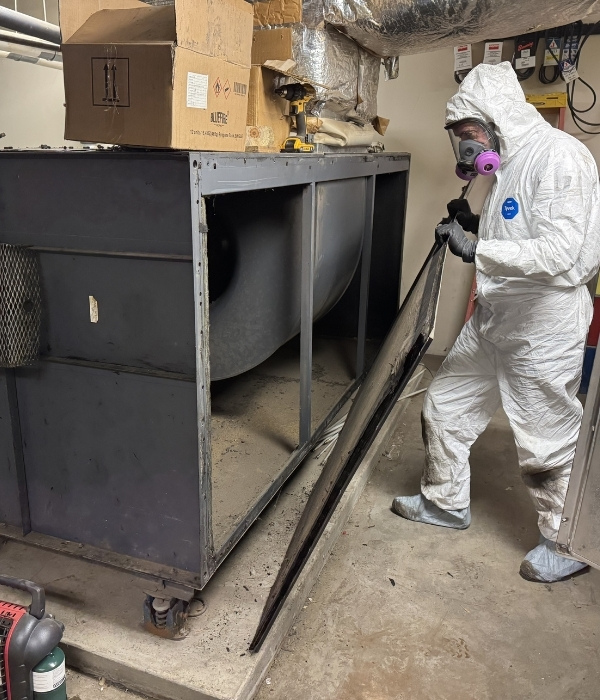
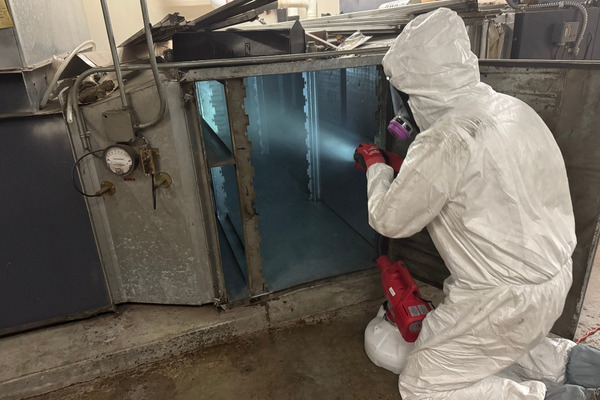
HVAC systems and ductwork
Soft furnishings and personal property
Shared air systems in multi-unit buildings
Because tear gas agents are particulate-based and chemically active, professional remediation is often required to prevent ongoing irritation and exposure.
Our Tear Gas Cleanup Process
Our remediation process follows contamination-specific forensic protocols designed to address chemical agent residue at its source. Each response is tailored to the structure, ventilation system, and extent of deployment.
1. Contamination Assessment
2. Contamination-Specific Remediation Plan
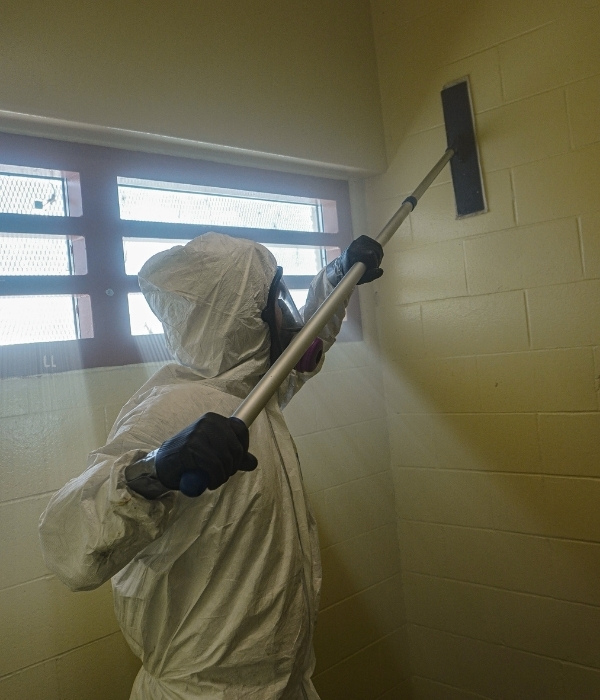
3. Controlled Decontamination
4. Documentation and Clearance Support
Not All Cleanup Is Remediation
Tear gas residue can remain active within a structure if not properly neutralized and removed. Standard cleaning methods may spread contamination or fail to address HVAC systems and porous materials.
Incomplete cleanup can result in:
- Ongoing respiratory or skin irritation
- Recontamination through HVAC circulation
- Delayed reoccupancy and failed inspections
- Liability concerns for property owners or managers
Who We Serve
We support property owners, managers, investors, and agencies who require structured tear gas remediation following law enforcement deployment or chemical agent exposure. Our services are designed to restore safe occupancy and protect against long-term liability.
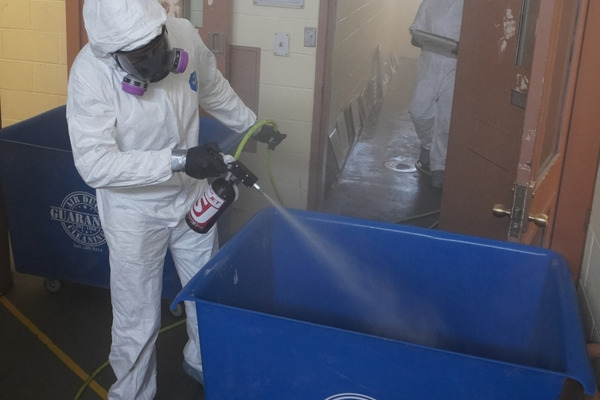
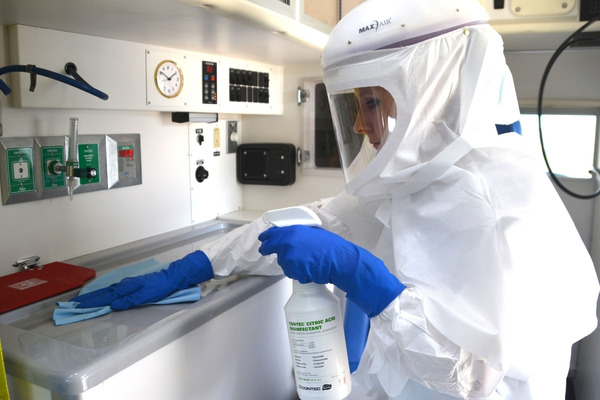
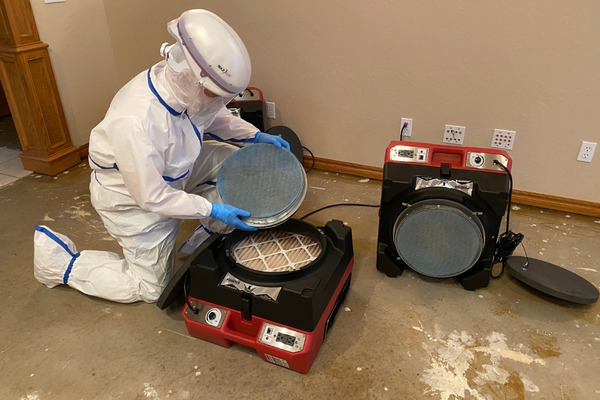
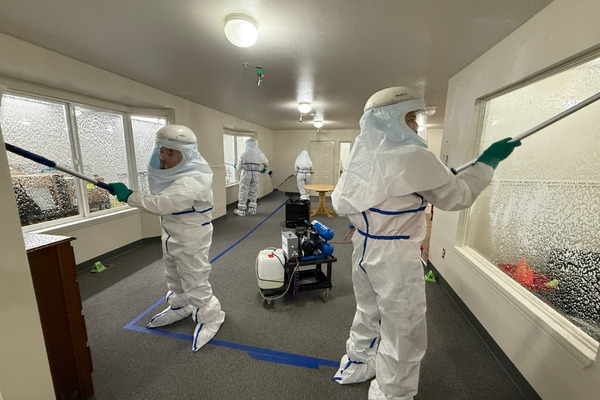
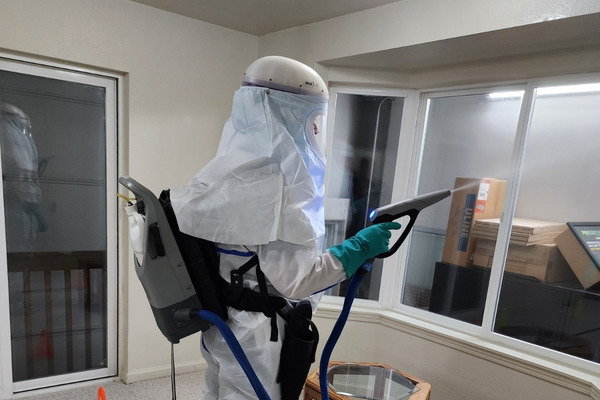
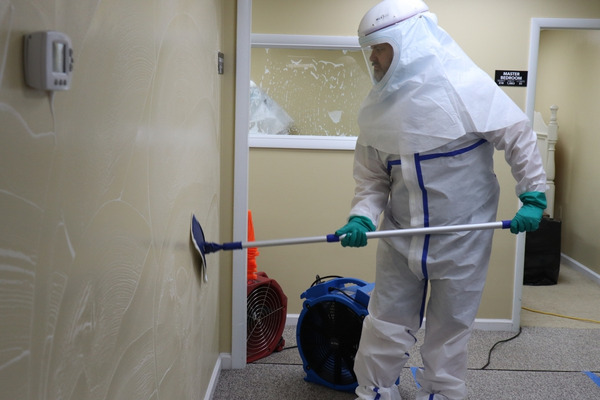
24/7 Emergency Response Across Oregon for Tear Gas Incidents
Tear gas deployment often requires immediate stabilization and assessment to prevent residue spread through ventilation systems. We provide 24/7 emergency response across Oregon to evaluate contamination and begin structured remediation without delay.
Proud members of:


Frequently Asked Questions About Fentanyl Cleanup
How long does tear gas residue remain in a property?
Tear gas residue can remain active on surfaces, in porous materials, and within HVAC systems until it is properly neutralized and removed. Without professional remediation, residue may continue to cause irritation when disturbed or recirculated through ventilation systems.
Does tear gas spread through HVAC systems?
Yes. CS gas and OC spray particulates can enter air handling systems and circulate throughout a structure. HVAC inspection and decontamination are often critical components of professional tear gas remediation.
Can I clean tear gas contamination myself?
Standard cleaning methods are typically insufficient for tear gas cleanup. Chemical agents can bond to building materials and migrate into ventilation systems. Improper cleaning may spread contamination or fail to neutralize residue fully. Professional remediation is recommended to ensure thorough removal.
How soon can a property be reoccupied after tear gas deployment?
Reoccupancy depends on the extent of contamination and the size of the affected area. After professional tear gas remediation and any required verification, properties can typically be restored to safe occupancy conditions.
Do you provide emergency tear gas cleanup services?
Yes. We offer 24/7 emergency response across Oregon for tear gas cleanup following law enforcement deployment or chemical agent exposure. Prompt containment and assessment help limit contamination spread and support faster restoration.
Do you handle crime scene or trauma cleanup?
No. Our services are limited to tear gas, drug residue, chemical contamination, and environmental hazards. We do not provide trauma or unattended death cleanup services.
EXCELLENTTrustindex verifies that the original source of the review is Google. Posted on GoogleTrustindex verifies that the original source of the review is Google. Fantastic company! Always professional and on time! They give you a personal but professional experience. Thank you!!Posted on GoogleTrustindex verifies that the original source of the review is Google. Posted on GoogleTrustindex verifies that the original source of the review is Google. Outstanding service. I highly recommend!!Posted on GoogleTrustindex verifies that the original source of the review is Google. Posted on GoogleTrustindex verifies that the original source of the review is Google. Posted on GoogleTrustindex verifies that the original source of the review is Google.